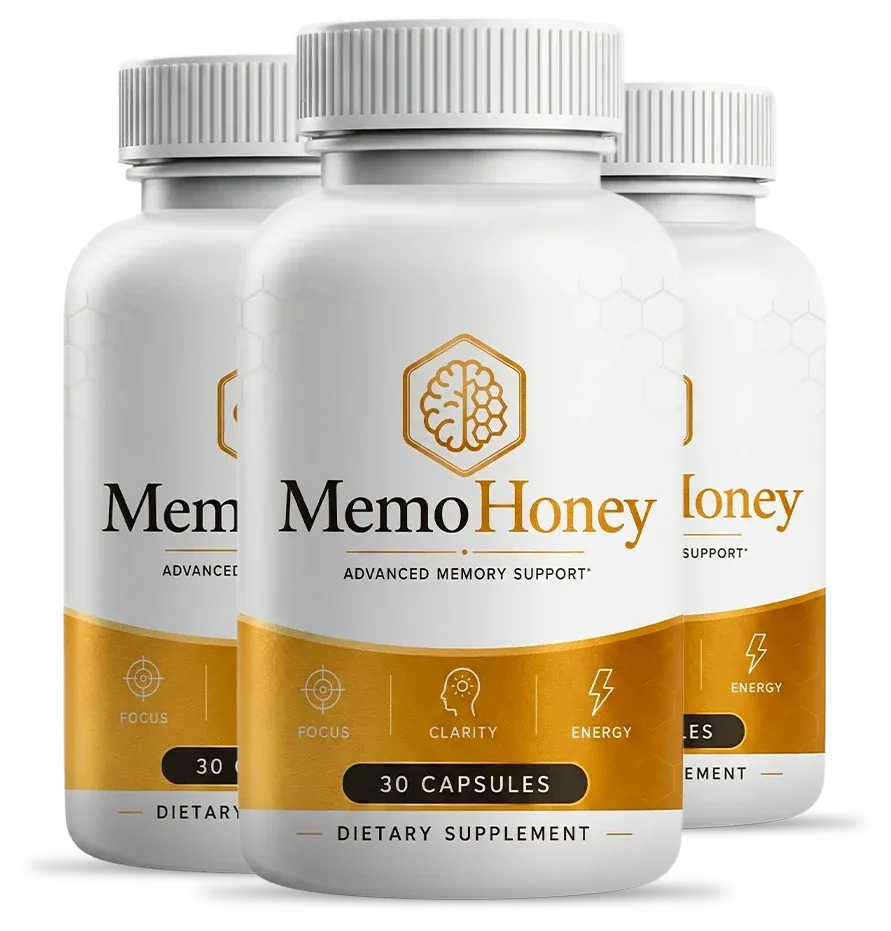
Niacin in MemoHoney: Vitamin B3 at About Half a Day's Need
Quick answerNiacin is vitamin B3. Each MemoHoney capsule lists 7.5 mg NE, or 47% of the Daily Value. Adults need 14 to 16 mg NE a day, so one capsule covers about half. The upper limit from supplements is 35 mg, and flushing starts around 30 mg. Most people already get niacin from food.
- 60-day satisfaction window
- Free US shipping on 3 and 6 bottles

 06 of 7
- Where it is named
- Printed with its own amount on the Supplement Facts panel
- Amount per capsule
- 7.5 mg NE
- Doses used in studies
- Adults need 14-16 mg NE a day (NIH ODS, Niacin)
- Share of the studied dose
- About half a day's need
- Also called
- Vitamin B3, 7.5 mg NE
What is niacin, and why is it in this capsule?
Niacin is vitamin B3. Your body uses it to turn food into energy. It also helps keep the skin, nerves and digestive system working.
In MemoHoney, niacin is the first of seven lines on the Supplement Facts panel. Only it and calcium carry a percent Daily Value.
The label does not explain why niacin is included. It also does not say which form of niacin is used. You can see it next to the other lines on the Supplement Facts page.
Is 7.5 mg NE a lot of niacin?
- 7.5 mgNE of vitamin B3 per capsule
- 47%Of the Daily Value
- 35 mgAdult upper limit from supplements
| Measure | Niacin amount | What it means | Source |
|---|---|---|---|
| MemoHoney capsule | 7.5 mg NE | 47% of the Daily Value | Read from the Supplement Facts panel |
| Adult women, daily need | 14 mg NE | From all sources, mostly food | (NIH ODS, Niacin) |
| Adult men, daily need | 16 mg NE | From all sources, mostly food | (NIH ODS, Niacin) |
| Upper limit for adults | 35 mg | From supplements and fortified foods | (NIH ODS, Niacin) |
| Flushing range | 30 mg or more | Of nicotinic acid, one form of niacin | (NIH ODS, Niacin) |
No. It is a moderate amount. Adult women need 14 mg NE a day and adult men need 16 mg NE (NIH ODS, Niacin). One capsule gives about half of that.
For adults, supplements plus fortified foods should stay at 35 mg a day or less. So 7.5 mg leaves a wide margin. Food niacin does not count toward the limit.
What does NE mean on the label?
NE stands for niacin equivalents. It is the unit used for niacin on supplement labels. It counts two things together.
The first is niacin itself. The second is niacin your body makes from tryptophan, an amino acid found in protein foods. That is why people who eat enough protein rarely run short.
Federal rules require each label to list every dietary ingredient with its amount per serving (21 CFR 101.36). Niacin and calcium get a percent Daily Value. The five amino acid lines do not, so they carry a double asterisk.
Which foods naturally contain niacin?
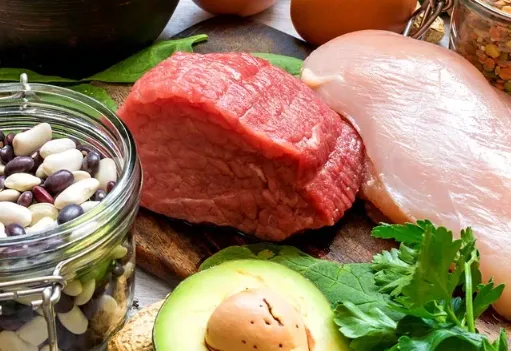
Many common foods contain niacin. Poultry, beef, pork and fish are rich sources. Some nuts, legumes and grains add more (NIH ODS, Niacin).
In the U.S., many breads and breakfast cereals are enriched with niacin. That is one reason true shortage is rare here.
The photo shows beans, nuts, peanuts and fish. Amounts vary by food and portion. It is a general guide, not a claim about where the capsule's niacin comes from.
Will this niacin make my skin flush?
That is unlikely at this amount. Flushing is the most familiar niacin side effect. The skin on the face, arms and chest can turn red, burn, tingle or itch.
The NIH says this tends to happen at 30 mg or more of nicotinic acid (NIH ODS, Niacin). One capsule lists 7.5 mg NE, about a quarter of that.
Watch for any new reaction
If you feel warmth, redness or itching after a capsule, note the time and tell your doctor. A rash with swelling of the face, lips or throat, or trouble breathing, is an emergency: call 911.
Beta-alanine, another line here, is known for tingling at sports doses. Our beta-alanine page explains why 40 mg makes that unlikely too.
Can you take too much niacin from stacked supplements?
Yes, if you add several products together. Many multivitamins and B-complex pills also contain niacin. The amounts add up, even though each one looks small.
| Combination | Niacin from supplements | Compared with the 35 mg limit |
|---|---|---|
| MemoHoney alone | 7.5 mg NE | Far below 35 mg |
| MemoHoney plus a multivitamin with 16 mg | 23.5 mg | Below 35 mg; check the label |
| MemoHoney plus a B-complex with 25 mg | 32.5 mg | Close to 35 mg; ask a pharmacist |
| Two capsules by mistake | 15 mg NE | Below 35 mg, but the label says not to exceed the dose |
A quick niacin check
- Read the niacin line on every supplement you take
- Add them up, including the 7.5 mg NE here
- Keep the supplement total under 35 mg unless a doctor says otherwise
- Mention any prescription niacin for cholesterol to your doctor
Honest note: niacin and memory
Severe niacin shortage, called pellagra, can affect the skin, gut and mind. It is rare in the U.S. today (NIH ODS, Niacin). People who already get enough niacin from food have no proven memory gain from taking more.
No study has tested MemoHoney as a whole. So we cannot say the niacin line, alone or with the amino acids, changes memory, focus or clarity.
If memory slips are getting in the way of daily life, see a doctor (NIA, Memory problems and aging). Low B12 or a drug side effect, for example, can often be corrected.
Who should talk to a doctor before taking MemoHoney?
Heart and blood pressure medicine
Arginine and citrulline in the same capsule may lower blood pressure. Ask first if you take these drugs.
Liver problems
High niacin doses can strain the liver. Even at small doses, a known liver condition is worth a quick question.
Pregnancy, nursing or under 18
The label caution asks these groups to consult a physician before use.
The side effects page lists every caution for the full capsule, with sources. The ingredients page shows how niacin fits with the other six lines.
How do you take the niacin in MemoHoney?
The niacin comes inside the one daily capsule. You do not take it on its own. Per the label, that means one capsule, 8 oz of water and a 20 to 30 minute head start on a meal.
Pairing it with one fixed meal helps the habit stick. If you miss a day, skip it. Do not take two capsules the next day to catch up.
Store it somewhere cool, dry and out of the light. More habit tips are on the how to use page.
Niacin questions readers search for
What is the daily niacin target for adults?
Adult women need 14 mg NE and adult men need 16 mg NE a day. Most U.S. adults get that from food.
What does NE mean on a niacin label?
NE stands for niacin equivalents. It counts niacin plus the niacin your body makes from tryptophan, an amino acid in protein foods.
Could 7.5 mg of niacin turn my face red?
That is unlikely. Flushing usually starts around 30 mg or more of nicotinic acid, and one capsule lists 7.5 mg NE.
How much supplemental niacin is too much?
Adults should keep niacin from pills and fortified foods at or below 35 mg a day. Niacin naturally in food does not count toward that limit.
Can I take a multivitamin and this capsule together?
Check the multivitamin label first. Add its niacin line to the 7.5 mg here and keep the supplement total under 35 mg, then confirm with a pharmacist.
Does niacin help memory?
Not in people who already get enough. Severe shortage can affect thinking, but that is rare in the U.S., and topping up a normal intake has not been shown to sharpen memory.
Where does niacin show up in a normal diet?
Poultry, beef, pork and fish are rich sources. Nuts, legumes, grains and enriched breads and cereals add more.
Is niacin the same as prescription niacin for cholesterol?
It is the same vitamin, but prescription doses are many times larger. Those doses need a doctor's care, and they are not what this capsule provides.
Is 47% of the Daily Value of niacin safe to take every day?
For most healthy adults, yes. It is well under the 35 mg upper limit, but check other supplements so the total stays low.
What happens if you take too much niacin?
Large amounts can cause flushing, itching and stomach upset. Very high doses taken for a long time can harm the liver, so stay under the upper limit unless a doctor says otherwise.
Checking the niacin in MemoHoney?
One capsule a day, 30 per bottle, with every amount printed on the label and no honey in it. Packs start at $49 a bottle on 6 bottles, with a 60-day money-back window. On heart or blood pressure medicine? Check with your doctor first.