Neuro Recall Ads and the MemoHoney Checkout: A Plain Guide
Quick answerMalwareTips reported on September 26, 2026 that ads for a product called Neuro Recall used an apparent AI celebrity video, and that the Neuro Recall order link redirected to a MemoHoney sales page. The report does not show who ran the ads. No celebrity endorses either product. Before you pay, check that the page name, label and price match what you meant to buy.
- 60-day satisfaction window
- Free US shipping on 3 and 6 bottles
Why Neuro Recall comes up next to MemoHoney
If you search for MemoHoney, you may also see the name Neuro Recall. The two are linked by a report, not by a shared label. In late September 2026, MalwareTips wrote about ads for Neuro Recall and where their order link went (MalwareTips, Sept 26 2026).
MalwareTips is a website that writes about online scams and risky web pages. This post sums up what it reported, separates fact from guesswork, and shows a simple way to check any order button. It works for any supplement ad, not just this one.
A note about us. This site is run by Memohoneysite, a U.S. MemoHoney retailer and label guide. We did not make the capsules, and a purchase may pay us a commission. That is a reason to check our sources, and each one is linked.
What did MalwareTips report?
MalwareTips reported three main points on September 26, 2026. First, ads for a product called Neuro Recall used what looked like an AI-made celebrity video. Second, the Neuro Recall order link redirected to a MemoHoney sales page. Third, it found no evidence that the celebrity endorsed Neuro Recall.
We are not naming the celebrity here on purpose. Repeating a famous name next to a product can make a false link feel real. No celebrity endorses MemoHoney, and we know of no public statement from any well-known person about it.
- You see an ad
A video ad for Neuro Recall appears, featuring a familiar face that MalwareTips described as an apparent AI video.
- You tap Order
The ad's order link is the step where things changed, per the report.
- A different page loads
The report says the link redirected to a MemoHoney sales page, not a Neuro Recall page.
- You reach checkout
A buyer who does not read closely could pay for MemoHoney while thinking about Neuro Recall.
What the report shows, and what it does not
| Question | What the report supports | What it does not settle |
|---|---|---|
| Were there Neuro Recall ads with a celebrity video? | Yes, MalwareTips reported them and called the video apparently AI-made | Every place the ads ran, or how long they ran |
| Did the order link open a MemoHoney page? | Yes, as reported at the time MalwareTips checked | Whether every Neuro Recall link did the same, then or now |
| Did the celebrity endorse the product? | MalwareTips found no evidence of an endorsement | Nothing; no endorsement has been shown |
| Who placed the ads? | Not shown in the report | Whether it was a brand, an affiliate or someone else |
| What is inside a MemoHoney capsule? | Not covered by the report | Answered by the MemoHoney label, line by line |
A report about an ad is not a report about a capsule. The Neuro Recall story tells you to be careful with links and famous faces. It says nothing about the seven lines on the MemoHoney label.
It also does not tell us who ran the ads. Supplements are often promoted by affiliates, who earn a cut of each sale and write their own ads. We cannot say whether that happened here. Guessing would not help you, so we stick to what was reported.
The ads point to a broader rule. Health claims in ads need real evidence behind them (FTC, Health Products Compliance Guidance). A video with a familiar face is not evidence, and an AI copy of one is even less.
Why does an ad redirect matter to buyers?
A redirect matters because it can change what you buy without you noticing. You form a picture from the ad, then pay on a page that sells something else. The product name on your receipt and your card statement may not match the ad you remember.
That makes later steps harder. A refund request starts with the right product name and order ID. If you are calling about Neuro Recall but your order says MemoHoney, the call takes longer.
Mismatch means pause
If an ad names one product and the order page shows another, stop. You can always come back later. The MemoHoney sales page lists packs from $49 to $79 a bottle. Read the pack and the total calmly before you pay.
How to recognize a genuine MemoHoney order page
If you do land on a MemoHoney page, from any link, check it against known facts. The real label is easy to compare because every amount is printed.
Facts to compare on any order page
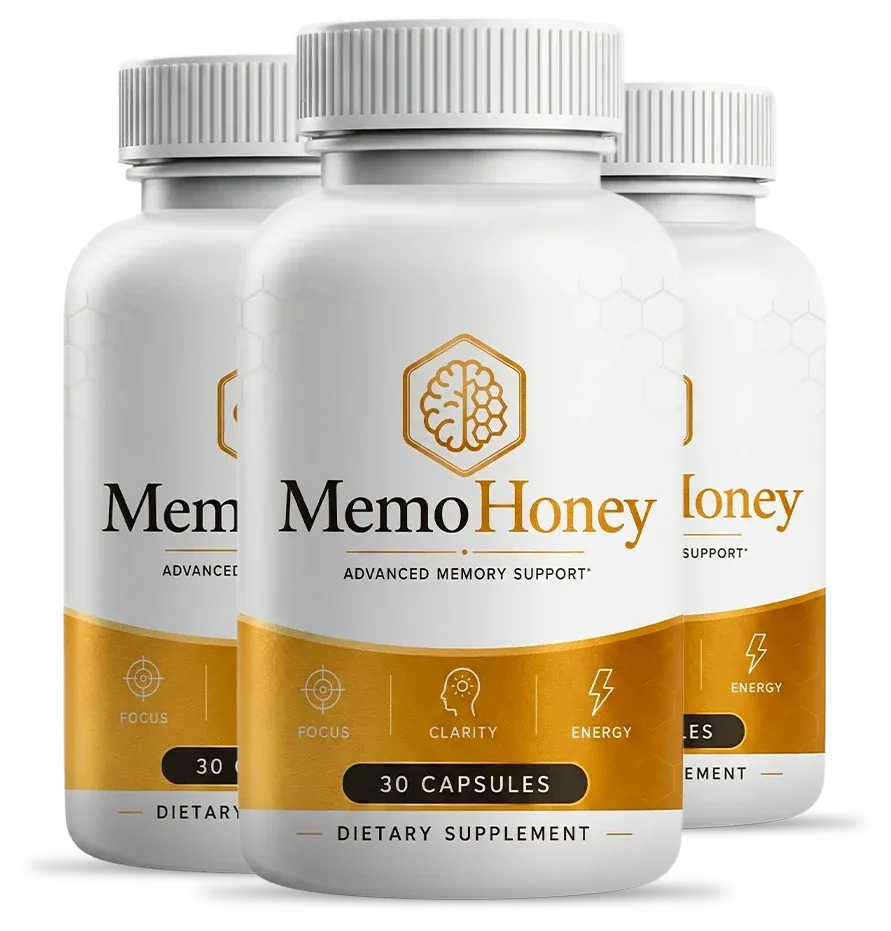
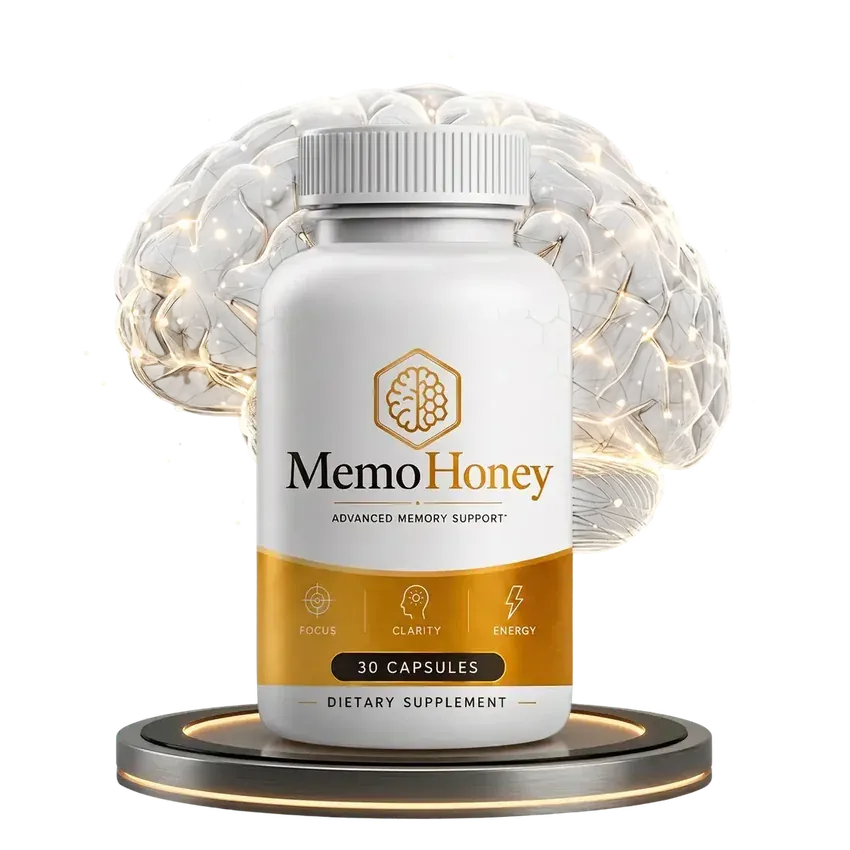
- The name on the bottle is MemoHoney, with “ADVANCED MEMORY SUPPORT*” and “30 CAPSULES” on the front.
- The Supplement Facts list L-arginine, L-citrulline, beta-alanine, niacin and calcium. No honey is listed.
- The packs are 2, 3 or 6 bottles; there is no single-bottle option on the sales page we read.
- The 2-bottle pack adds shipping at checkout; the 3- and 6-bottle packs show free US shipping.
- The sales page describes a one-time order and a 60-day money-back window.
For the full side-by-side, open the Supplement Facts page. If you were expecting honey because of the name, read does MemoHoney contain honey first. The buyer check walks through every step before checkout.
Bought MemoHoney after a Neuro Recall ad? Here is what to do
Maybe you clicked a Neuro Recall ad and later saw MemoHoney on your receipt. Stay calm; there are clear steps. Start with what you have in writing.
Find the order email
Look for the confirmation email. Note the order ID, the product name, the pack and the total charged.
Call the order desk
Ring +1 (302) 200-3480 and give your order ID. Ask what was ordered and how to cancel or return it. Hours are not published, so try during the business day.
Ask which refund rule applies
The sales page shows a 60-day window from the date of purchase, but also mentions at least 30 days of use. Ask which rule covers your order.
Watch your card statement
Check the next two or three statements. If a charge looks wrong and the seller does not fix it, call your card issuer.
Report the ad
Report the ad to the platform where you saw it and to the FTC at ReportFraud.ftc.gov. Include your screenshots.
Our refund policy page has the return address and timing. If you also had trouble with fees or a cancellation, our post on MemoHoney complaints covers what reviewers describe and how to protect yourself.
How to spot an AI celebrity video
AI tools can now copy a face and a voice closely. A short clip can look like a real interview. That is why a famous face in a supplement ad should never be your reason to buy.
A few signs help. The lips may not match the words. The voice may sound flat or oddly timed. The video often pushes you to act today. Most of all, the person rarely mentions the product on their own website or verified accounts.
Look for their own words
A real endorsement usually appears on the person's verified account or website. Search there, not in the ad.
Distrust urgency
Countdowns and “last chance” lines push you past the checks above. Close the tab and come back tomorrow.
Read the label, not the video
The only reliable source on what is inside is the Supplement Facts panel on the bottle.
Honest note: what memory ads leave out
Memory ads often promise big changes. No study of MemoHoney has been published. The one arginine memory trial we found used about 8 times more arginine, in a small group of frail older adults with high blood pressure, for 4 weeks (Mone et al., 2022).
The FDA does not pre-approve supplements (FDA, Q&A on Dietary Supplements). If memory changes worry you or someone you love, a doctor visit is the better first step. Some causes can be treated (NIA, Memory problems and aging).
Neuro Recall and the checkout: questions people ask
Is Neuro Recall the same as MemoHoney?
They are sold under different names. MalwareTips reported that the Neuro Recall order link opened a MemoHoney sales page, so a buyer who clicked expecting one could have landed on the other.
Is the celebrity Neuro Recall video real?
MalwareTips described it as an apparent AI-made video and found no evidence the celebrity endorsed Neuro Recall. Treat any famous face in a supplement ad as unconfirmed until that person says so in their own channels.
Does any celebrity endorse MemoHoney?
No. We know of no celebrity endorsement of MemoHoney, and the sales page we read names none.
Who ran the Neuro Recall ads that led to MemoHoney?
The MalwareTips report does not say who ran them. An ad can be placed by an affiliate, a reseller or someone else, and the report does not settle that.
Is MemoHoney a scam because of the Neuro Recall ads?
The report is about ads and a redirect, not about what is inside the bottle. The MemoHoney label prints every ingredient and amount, so judge the capsule by its label and judge the ad separately.
How can I tell where an order button really goes?
On a computer, hover over the button and read the address at the bottom of the screen. On a phone, press and hold the button to preview the link, then check the address bar after the page loads.
I ordered from a Neuro Recall ad and got MemoHoney. What now?
Find your order email and order ID, then call +1 (302) 200-3480. The sales page shows a 60-day money-back window from the date of purchase, so ask which refund rule applies.
Where do I report a fake celebrity supplement ad?
Report it to the platform where you saw it, and to the Federal Trade Commission at ReportFraud.ftc.gov. Save a screenshot and the link first.
Can an AI video make a real doctor or star seem to sell something?
Yes. AI tools can copy a face and a voice closely. That is why a famous face alone proves nothing about a product.
Typed the address yourself? Compare MemoHoney packs
One capsule a day, 30 per bottle, with every amount printed on the label and no honey in it. Packs start at $49 a bottle on 6 bottles, with a 60-day money-back window. On heart or blood pressure medicine? Check with your doctor first.